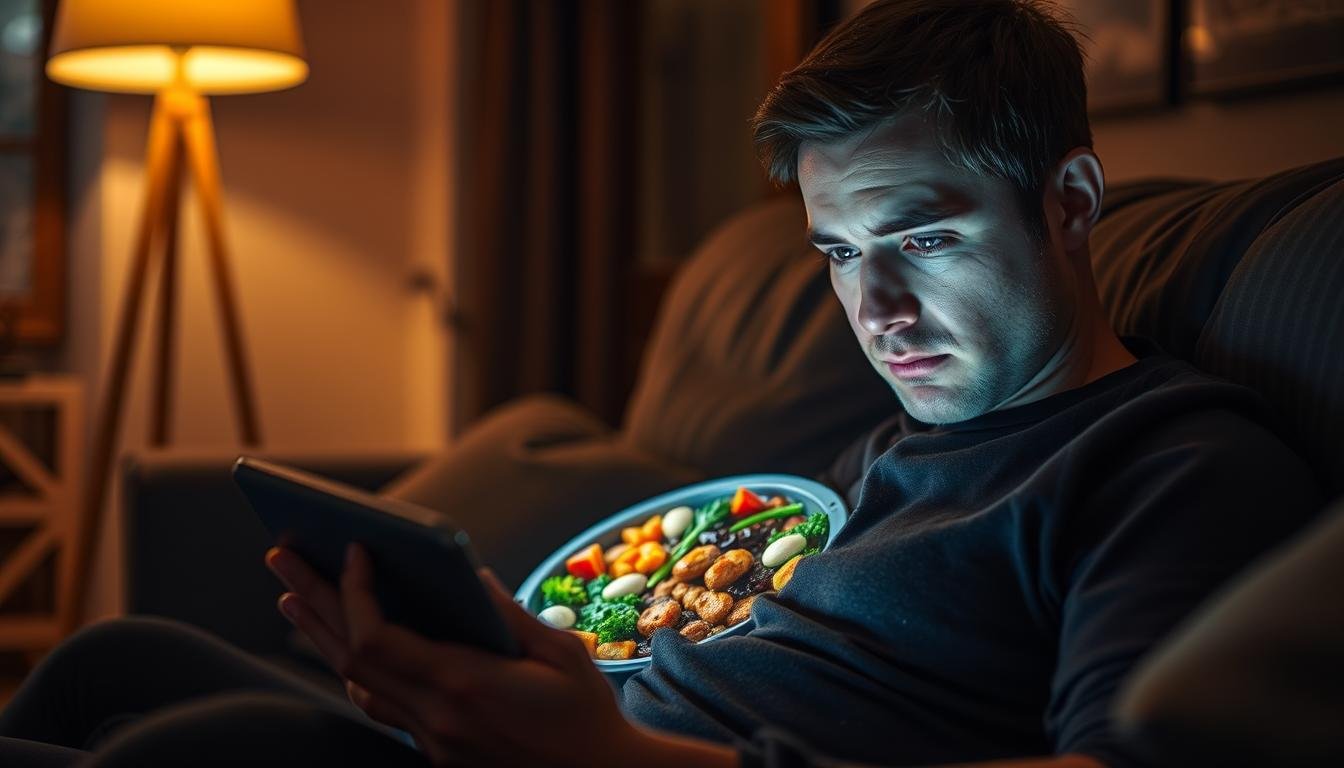
Ever found yourself scrolling through YouTube food channels for hours? You’re not alone. Watching food videos is like a digital addiction that keeps you hooked.
Food content has changed a lot in recent years. It’s moved from old cooking shows to viral social media clips. These videos do more than entertain; they trigger deep feelings and brain responses.
Today’s digital world has changed how we watch food videos. YouTube food channels are huge, giving us more than just recipes. They offer a mix of sights, sounds, and feelings that traditional TV can’t match.
Key Takeaways
- Food videos trigger complex neurological responses
- Digital platforms have transformed food entertainment
- Watching food videos can be psychologically compelling
- Visual food content provides virtual sensory experiences
- Social media has revolutionized food content consumption
The Evolution of Food Content: From TV Shows to Social Media
The world of food entertainment has changed a lot in recent years. What started as simple cooking on TV has grown into a lively scene of viral trends and social media food. This scene draws in millions of people all over the world.
Old cooking shows used to be the main thing for food fans. Chefs like Julia Child taught us fancy cooking. But now, digital sites have changed how we see food.
The Rise of Digital Food Entertainment
Social media has changed food content by making it more open. Anyone with a phone can now share food ideas. They post:
- Quick recipe tutorials
- Elaborate cooking performances
- Behind-the-scenes kitchen moments
- Extreme eating challenges
How Streaming Platforms Changed Food Content
Streaming sites have made it easier to see food from all over. YouTube and TikTok are full of new food ideas. They change how we find and enjoy food content.
| Platform | Food Content Impact | Audience Reach |
|---|---|---|
| YouTube | Detailed cooking tutorials | Global |
| TikTok | Quick recipe videos | Younger demographics |
| Visually stunning food presentations | Lifestyle-focused viewers |
The Birth of Food-Related Social Media
Digital sites have made food more than just something to eat. Now, you can explore different foods, learn new cooking skills, and meet food creators worldwide. All from your phone.
Understanding the Mukbang Phenomenon
Mukbang has changed how we see food online. It started in South Korea and mixes eating with broadcasting. This has made it a big hit worldwide, with millions watching people eat a lot of food.
In Korea, eating alone is common. But mukbang videos offer a way to feel less alone. People enjoy watching hosts eat and chat, feeling connected through their screens.
- Mukbang comes from meokda (eating) and bangsong (broadcast) in Korean.
- Hosts eat huge amounts of food live.
- Viewers find joy and connection in these food experiences.
Now, mukbang has grown into more than just eating videos. Creators use stories, jokes, and talking with viewers. This makes mukbang even more fun and engaging.
| Mukbang Type | Audience Engagement | Popularity Rating |
|---|---|---|
| Traditional Eating Broadcast | Moderate | 7/10 |
| Storytelling Mukbang | High | 9/10 |
| Challenge-Based Mukbang | Very High | 10/10 |
Mukbang is more than just watching someone eat. It’s a special kind of online fun. It meets our need for connection, fun, and shared moments in our digital lives.
The Science Behind Food Video Addiction
Your brain has a special bond with food vlog obsession. It’s more than just watching videos. Neuroscientists found that watching food videos can trigger responses similar to eating.
Scrolling through food content excites your brain. It activates many sensory areas, making you feel like you’re right there. This keeps you hooked.
Neurological Responses to Food Content
Watching food videos engages your brain in complex ways. It triggers strong psychological reactions. Here’s how:
- Sensory cortex activation during visual food exposure
- Mirror neuron engagement simulating eating experiences
- Anticipatory pleasure circuits becoming stimulated
The Role of Dopamine in Video Consumption
Dopamine is key in your love for food vlogs. It makes watching food videos feel rewarding. Each video gives you a dopamine boost, making you want to watch more.
Why Visual Food Stimuli Are So Powerful
Your brain is wired to react to food visuals. This is an ancient survival instinct. Today, it turns into a digital addiction that draws in millions.
The more visually appealing and meticulously prepared the food content, the more engaging it becomes to your brain’s reward system.
The Psychology of Watching Food Videos
Watching food videos is more than just a hobby. It’s a deep emotional and sensory journey. Your brain gets a unique virtual satisfaction from it.
The psychology of watching food videos shows some interesting mental processes:
- Emotional comfort through visual consumption
- Stress relief without actual calorie intake
- Vicarious culinary experiences
- Neurological pleasure responses
Watching food videos is a powerful escape. When you’re stressed, they offer a break from reality. Your brain gets sensory stimulation without eating, creating a unique experience.
“Food videos are like a culinary theater where viewers can experience gastronomic adventures without leaving their comfort zone.”
Studies say these digital food experiences can trigger brain responses like eating. Dopamine release, sensory engagement, and emotional connection make it more than just fun.
The visual stimulation creates a complex emotional landscape. You can explore culinary worlds, experience cultural diversity, and satisfy curiosity through digital content.
How Food ASMR Triggers Your Brain’s Pleasure Centers
Explore the captivating world of food ASMR. It’s a place where simple sounds lead to deep sensory experiences. This digital phenomenon has drawn in millions of viewers globally, blending sound and sight in a unique way.
Your brain reacts to food ASMR in amazing ways. These videos trigger tingling sensations that reach deep into your brain’s pleasure centers. This leads to deep relaxation and a sense of joy.
Understanding ASMR Responses
ASMR in food content comes through different sensory experiences:
- Crisp chopping sounds
- Gentle whispered cooking instructions
- Rhythmic stirring and mixing
- Soft crackling of ingredients
The Connection Between Sound and Appetite
Certain food sounds can change how you feel. Soft sizzling, delicate crunching, and melodic pouring create special neural paths. These paths make you feel hungry and relaxed at the same time.
Why Certain Food Sounds Are More Appealing
Not every sound triggers ASMR. High-quality microphones capture the right audio frequencies, making food ASMR videos stand out. These sounds can send shivers down your spine and activate deep pleasure mechanisms in your brain.
Food ASMR shows how digital content can create powerful sensory experiences. It goes beyond just watching videos.
The Impact of Food Videos on Eating Habits
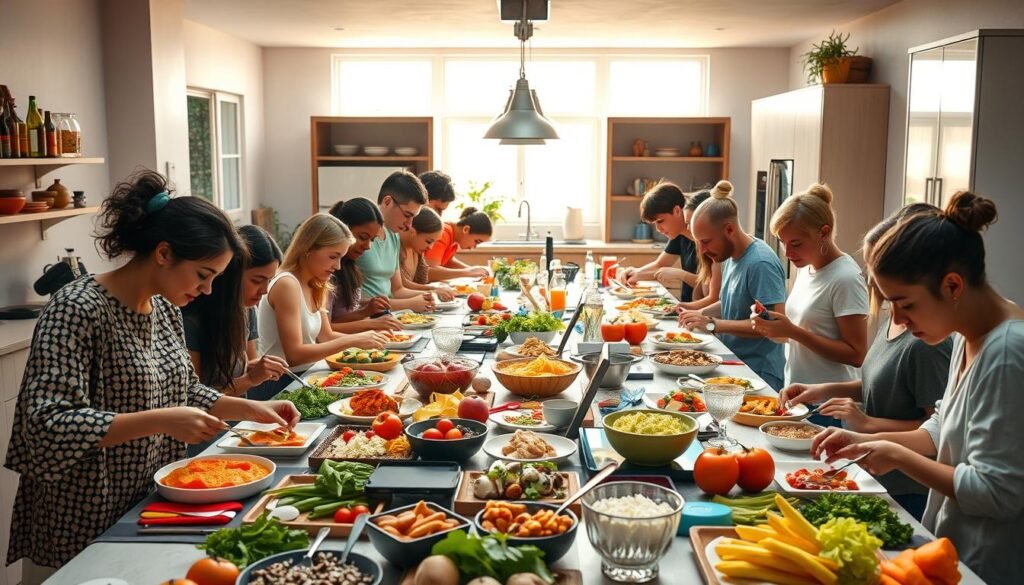
Scrolling through viral cooking trends might change more than just your mood. Studies show that food videos can deeply affect your eating habits in surprising ways.
Seeing delicious dishes online can change how you think about food. These trends don’t just share recipes. They also alter your views on portion sizes, cravings, and what’s healthy to eat.
- Increased cravings for visually appealing foods
- Potential overeating triggered by constant food imagery
- Distorted perception of healthy portion sizes
- Heightened impulse to try trending culinary experiences
Scientists found that watching food videos can activate parts of the brain like eating. Your brain gets almost the same sensory experience as eating real food. This can make you salivate and feel hungry suddenly.
Visual food content has become a powerful psychological mechanism that extends far beyond simple entertainment.
Knowing how these trends work can help you watch them more wisely. Remember, while these videos are fun, they can quietly influence your food choices without you noticing.
Social and Cultural Aspects of Food Content Consumption
Social media has changed how we share food online. It has made a space where people from all over can connect and enjoy different foods together.
Today, social media is more than just a place to share. It’s a global kitchen where people learn, talk, and share food experiences from everywhere.
Building Digital Food Communities
Social media lets us connect with others no matter where they are. We can:
- Share our cooking stories
- Swap recipe ideas
- Find out about foods from other countries
- Talk to chefs, both pros and hobbyists
Cultural Exchange Through Visual Cuisine
Food videos help us understand different cultures. Visual storytelling through cuisine lets us see traditions, cooking methods, and food history from all over.
| Platform | Primary Food Content Type | Cultural Reach |
|---|---|---|
| TikTok | Short-form cooking tutorials | Global, youth-oriented |
| YouTube | Detailed recipe demonstrations | International, detailed |
| Visual food styling | Trendsetting, focused on looks |
Driving Global Food Trends
Social media plays a big role in setting food trends. Viral food videos can quickly introduce new dishes and cooking styles to millions.
Why Digital Food Content Creates Virtual Satisfaction
Ever felt full after watching food videos on YouTube without eating? This shows how digital food content tricks your brain. It makes you feel full and happy.
Virtual satisfaction from food videos works in a few ways:
- Sensory stimulation through visual and auditory cues
- Activation of mirror neurons that simulate eating experiences
- Dopamine release triggered by appetizing food imagery
YouTube food channels are experts at creating engaging content. Watching someone cook or eat makes your brain think you’re eating. The production quality is top-notch.
Studies say this virtual dining can have benefits:
- Less actual food cravings
- Emotional satisfaction without calories
- Vicarious enjoyment of food experiences
Some viewers feel really full after watching cooking or eating videos on YouTube food channels. This shows how strong the link is between what we see and our brain’s reward system.
The mind doesn’t always distinguish between real and virtual experiences as clearly as we might expect.
While enjoying virtual food content is fun, it’s important to keep things balanced. Knowing how digital media affects us helps us appreciate its power.
The Dark Side of Food Video Obsession

The world of food vlog obsession isn’t as appetizing as it seems. These videos might look harmless, but they can cause serious mental and behavioral issues. These problems go beyond just watching videos.
Hidden Mental Health Risks
Your addiction to food vlogs might be more harmful than you think. Watching too much curated food content can hurt your mental health. It can lead to:
- Increased anxiety about food choices
- Heightened body image dissatisfaction
- Potential development of comparison-driven stress
Real-World Eating Behavior Disruptions
Food vlog obsession can change how you eat. Viewers often see big changes in their eating habits, including:
- Unrealistic meal expectations
- Compulsive eating pattern changes
- Reduced genuine cooking motivation
Potential Addiction Warning Signs
It’s important to recognize early signs of food vlog addiction. Uncontrolled viewing, emotional dependency, and constant content consumption are warning signs. They show a deeper psychological issue that needs attention.
Digital content consumption isn’t just about watching—it’s about understanding your personal boundaries.
Being aware and managing your food vlog watching can keep your digital diet healthy. It also protects your mental well-being.
How Food Videos Influence Brain Chemistry and Memory
Watching food videos changes your brain in exciting ways. It’s not just fun to watch. Studies show that seeing food videos over and over can change how your brain works and remembers things.
Seeing food videos makes your brain send out special signals. These signals make certain parts of your brain work harder. These parts are key for remembering things and feeling good.
- Dopamine release increases during food video consumption
- Hippocampus activity changes with prolonged exposure
- Sensory memory circuits become more engaged
Scientists found that watching food videos can affect how you think. Seeing lots of food videos might harm your brain’s memory center. This can happen even if you watch for just a little while.
| Brain Region | Impact of Food Videos |
|---|---|
| Hippocampus | Potential memory processing disruption |
| Prefrontal Cortex | Altered decision-making patterns |
| Reward Centers | Increased dopamine stimulation |
Your brain can change because of watching food videos. This might affect how you remember things, think, and even eat.
Knowing how food videos affect your brain can help you watch them more mindfully.
Breaking the Cycle of Compulsive Food Video Watching
Watching endless recipe tutorials can trap you in a digital cycle. It eats up your time and mental energy. Recognizing the signs of compulsive food video watching is the first step to take back your attention and lifestyle.
Developing healthy strategies can help you manage your food content viewing habits. Here are some practical approaches:
- Set strict daily time limits for watching recipe tutorials
- Create alternative engagement activities
- Identify emotional triggers behind excessive viewing
- Practice mindful media consumption
Your brain craves the stimulation from visually engaging food content. Understanding this psychological mechanism can help you develop more balanced viewing habits.
“Awareness is the first step towards change in any digital consumption pattern.”
Consider tracking your viewing habits using a simple monitoring method:
| Viewing Habit | Current Time | Target Time |
|---|---|---|
| Daily Recipe Tutorial Watching | 2 hours | 30 minutes |
| Mindless Scrolling | 1.5 hours | 15 minutes |
Replacing digital food content with real-world cooking experiences can be transformative. Engage in actual recipe tutorials, cook with friends, or join local culinary classes. This redirects your passion constructively.
Final Thoughts on Enjoying Food Videos Mindfully
Digital food content, like cooking shows online, has changed how we enjoy food. It can be fun and educational if we watch it wisely. Knowing why we love these videos helps us enjoy them without getting too caught up.
It’s important to set limits with cooking shows online. Try not to watch too much each day. Use these videos to get ideas, not to replace cooking. Cooking yourself brings more joy and health benefits than just watching.
Being aware is the first step to a healthy online food diet. Notice if videos make you feel bad or lead to unhealthy comparisons. Choose content that makes you want to cook and try new things.
With smart choices, watching food videos can be a good thing. Use them to learn, get ideas, and explore different cultures. This way, your online food adventures can make your real-life cooking and eating better.