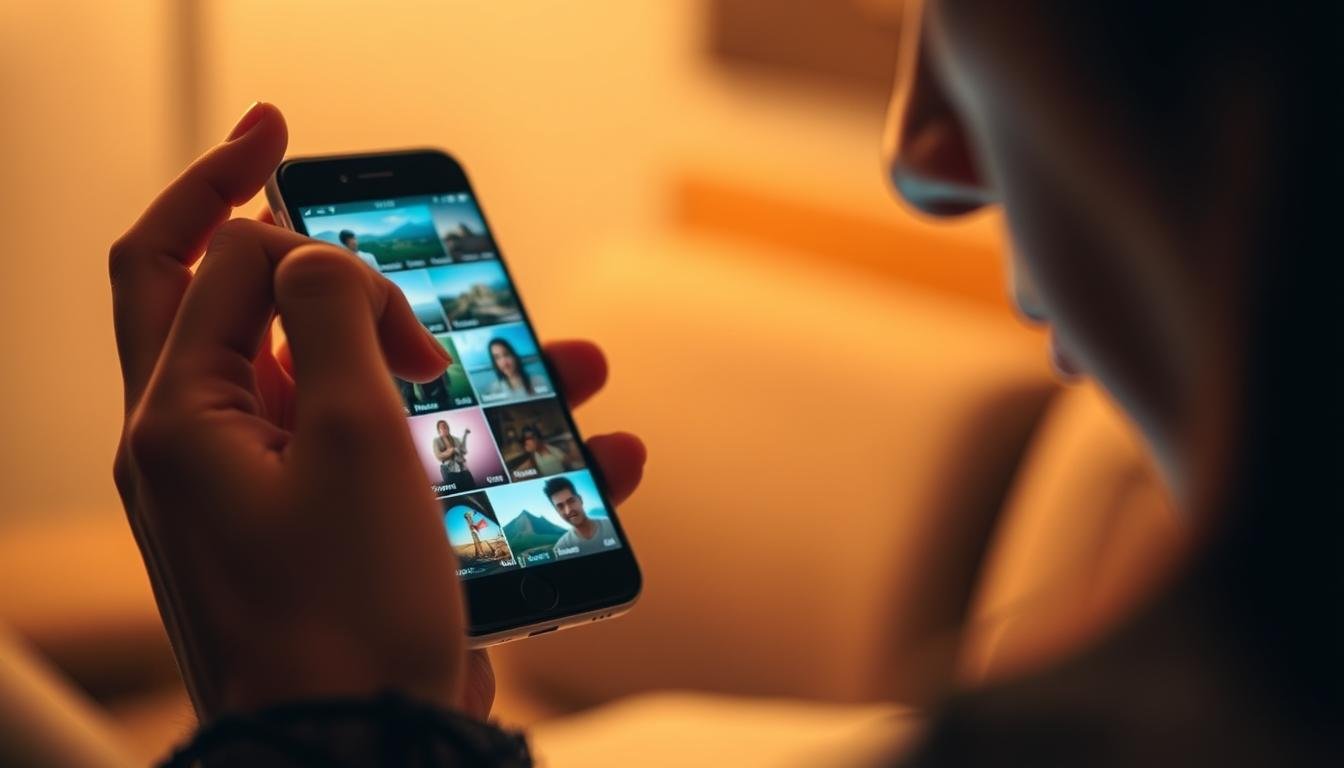
Ever found yourself lost in an endless scroll of short travel videos? Dreaming of exotic destinations while your bank account screams in protest? You’re not alone. Those viral travel reels have a magical way of trapping your attention.
Research shows that the average American adult spends over two hours daily on social media. Teens spend even more time on platforms like TikTok and Instagram. Short travel videos have become more than just content—they’re a psychological playground that hijacks your brain’s reward system.
These bite-sized visual escapes tap into something deeper than mere entertainment. They promise adventure, freedom, and a temporary reprieve from everyday life. All within a three-second hook that keeps you watching, dreaming, and craving more.
Key Takeaways
- Short travel videos trigger powerful psychological responses
- Social media platforms optimize content for maximum engagement
- Viral travel reels create a digital wanderlust experience
- Brain chemistry plays a significant role in content addiction
- Visual storytelling can override financial reality
The Rise of Bite-Sized Travel Content in Social Media
Digital landscapes have changed how we see travel. Now, we can experience big trips in short, visual clips. Smartphone travel clips have made travel stories easy to follow and fun.
Travel content has evolved with our shorter attention spans and new tech. Travelers use advanced video editing to tell stories in seconds. This grabs viewers’ attention quickly.
From Documentaries to Digital Snacks
Travel content has changed a lot. It’s now shorter and more engaging. Key changes include:
- Shorter video durations
- More dynamic visual storytelling
- Increased mobile-first content creation
Platform-Specific Content Strategies
Different social media platforms have their own styles for travel videos. Here’s a look at what’s trending on each:
| Platform | Video Length | Content Style |
|---|---|---|
| TikTok | 15-60 seconds | High-energy, trend-driven |
| Instagram Reels | 15-30 seconds | Aesthetic, curated experiences |
| YouTube Shorts | 15-60 seconds | Diverse, informative clips |
The Power of Three-Second Hooks
In the world of smartphone travel clips, grabbing attention fast is key. Creators now start videos with irresistible three-second openings to keep viewers watching.
Your brain loves these quick, exciting visual trips. Travel video editing has turned into an art. It turns big experiences into short, emotional moments that take you anywhere in seconds.
Understanding the Dopamine Rush of Short Travel Videos
Your brain loves excitement, and travel videos give it just that. When you watch adventure travel footage, something special happens. Each amazing view or thrilling moment makes your brain release dopamine.
Dr. Anna Lembke says digital media can make your brain feel good like other exciting things. Short travel videos are extra special because they pack a lot into a short time. This makes your brain feel happy.
- Stunning landscapes activate reward pathways
- Quick-cut adventure scenes boost dopamine release
- Exotic destination glimpses create instant psychological excitement
The brain loves visuals that promise adventure and escape. Destination highlight videos are made to tap into this, making you feel amazed and hopeful right away.
| Video Type | Dopamine Impact | Psychological Response |
|---|---|---|
| Extreme Sports Clips | High | Adrenaline Rush |
| Scenic Landscape Montages | Medium-High | Emotional Inspiration |
| Cultural Experience Snippets | Medium | Curiosity Stimulation |
Knowing how adventure travel footage affects your brain can help you watch more mindfully. You can choose what you watch more thoughtfully.
The Science Behind Travel Content Addiction
Your brain loves exciting visuals, like quick travel montages and TikTok travel content. Research shows why these short videos are so addictive. They trigger complex responses that make you keep watching.
Neural Pathways and Visual Stimulation
Watching travel videos excites your brain. Scientists found special pathways that light up for visually appealing content:
- Dopamine release triggered by novel landscapes
- Activation of reward centers through virtual exploration
- Increased brain connectivity during immersive visual experiences
Why Travel Footage Triggers Wanderlust
“The human brain is a prediction machine, constantly seeking novel experiences,” says Dr. Emily Rodriguez, neuroscience researcher.
TikTok travel content taps into your brain’s desire for discovery. Quick travel montages overwhelm your senses. This makes each place seem more exciting than the last.
The Role of FOMO in Content Consumption
Fear of Missing Out (FOMO) affects how you watch content. Your brain sees these videos as chances you’re missing. This makes you feel compelled to keep watching.
| Psychological Trigger | Impact on Viewer |
|---|---|
| Visual Novelty | Increases dopamine release |
| Emotional Storytelling | Enhances empathetic connection |
| FOMO Mechanism | Drives continued consumption |
Knowing these science-backed reasons can help you watch travel content more mindfully. It can turn passive watching into something inspiring.
How Short Travel Videos Hack Your Brain’s Reward System
Your brain is secretly becoming addicted to Instagram travel shorts and mobile travel filmmaking. These short videos trigger a strong response in your brain. It’s more than just fun.
Scrolling through travel content makes your brain release dopamine. This chemical is linked to pleasure and motivation. Mobile travel filmmaking uses a formula that taps into your brain’s reward system. It gives you a fake sense of achievement without you actually traveling.
- Rapid visual stimulation creates instant gratification
- Three-second video hooks activate pleasure centers
- Algorithmic content delivers personalized travel fantasies
Repeatedly watching Instagram travel shorts can make your brain less sensitive. What once excited you now needs more to feel the same thrill.
Your digital wanderlust isn’t just entertainment – it’s a carefully engineered psychological experience.
These short videos change how your brain expects things. They create a cycle of anticipation and rewards. This can make real travel seem less exciting by comparison.
Knowing how mobile travel filmmaking affects your brain can help. You can be more aware of your digital travel cravings. This way, you can keep a healthy balance with digital inspiration.
The Impact of Travel Reels on Decision-Making
Viral travel reels have changed how we see and plan our trips. These short, engaging videos shape our minds, affecting our travel and spending choices.
Altered Risk Perception
Adventure videos change how we view risk. What seemed scary now looks exciting. Our brains see these videos in a special way, making travel seem less daunting and more glamorous.
- Dramatic visuals make us feel safer
- Edited videos hide real travel issues
- Stories touch our hearts more than facts
Changes in Financial Decision Processing
Seeing viral travel reels can lead to sudden spending urges. These short clips might make you want to spend without thinking, creating a gap between your wallet and your travel dreams.
- More desire for unique experiences
- Less caution with money
- Spending based on what we see
Impact on Travel Planning Behavior
Social media, like viral travel reels, is changing how we plan trips. These videos are more than fun—they’re guiding our travel plans, from where we go to how much we spend.
The brain doesn’t just watch these videos; it internalizes them, transforming passive viewing into active desire.
Why You Keep Watching Despite Financial Constraints
Your brain has found a clever way to deal with financial limits through destination highlight videos. These short clips take you on a virtual journey where money worries fade away.
Studies show that watching these videos has a strong effect on your mind. They make you feel good and excited, even if you can’t travel in real life.
“Travel is the only thing you buy that makes you richer” – Anonymous
So, why do you find these videos so captivating? It’s because of several reasons:
- They offer a mental break without costing money
- They let you live through others’ adventures
- They give you a temporary reprieve from money troubles
- They inspire you to dream about future trips
Your brain loves these short videos as a way to cope. They offer hope and the promise of adventures to come, even when money is tight.
| Psychological Benefit | Impact on Viewer |
|---|---|
| Escapism | Temporary mental relief |
| Aspiration Maintenance | Motivation for future goals |
| Virtual Exploration | Risk-free travel experience |
Remember, while these videos can’t replace actual travel, they can inspire and motivate your future journeys.
The “Brain Rot” Phenomenon in Travel Content Consumption
In today’s world, we see a lot of smartphone travel clips and quick montages. But, this constant visual input can harm our brains.
“Brain rot” is a term for the mental tiredness from watching too many travel videos. It makes our brains tired from always watching without thinking deeply.
Cognitive Effects of Excessive Viewing
Watching too many travel videos can change your brain in bad ways:
- Decreased attention span
- Reduced memory retention
- Diminished ability to concentrate
- Increased mental fatigue
Signs of Digital Travel Content Overload
It’s important to know when you’re getting too much digital content. Look out for these signs:
- Constant distraction during real-world activities
- Difficulty remembering details from smartphone travel clips
- Feeling mentally exhausted after prolonged viewing
- Reduced creativity and problem-solving skills
Knowing these risks helps you watch travel content in a smarter way. This way, you can keep your brain healthy.
Breaking the Cycle of Travel Video Addiction
Scrolling through endless TikTok travel content and Instagram travel shorts can trap you in a cycle of digital consumption. Your brain craves those quick, exciting visual experiences. This makes it hard to break free from the addiction.
Experts suggest a strategic approach to reclaim your mental space. They say a digital detox isn’t about cutting out social media completely. It’s about setting healthy limits on how much you consume.
- Set strict daily time limits for TikTok and Instagram travel shorts
- Create physical barriers by removing social media apps from your home screen
- Replace video watching with alternative travel inspiration sources
- Practice mindful consumption of travel content
Your brain’s reward system is used to quick visual stimulation. Breaking this cycle requires intentional effort and alternative engagement strategies.
| Detox Strategy | Benefit |
|---|---|
| Weekly Social Media Fasting | Resets dopamine sensitivity |
| Reading Travel Literature | Deeper, more immersive experience |
| Local Exploration | Real-world travel inspiration |
By using these strategies, you can change how you view travel content. Instead of just watching, you can use it as inspiration for your own adventures.
Healthy Ways to Consume Short Travel Videos
Scrolling through endless travel videos can be both exciting and overwhelming. Mobile travel filmmaking has changed how we see global destinations. It’s important to watch these videos mindfully.
Your relationship with travel videos and short-form content affects your mental health. A study found that taking breaks from digital content can boost self-esteem and reduce stress.
Creating Intentional Viewing Boundaries
Setting healthy limits with travel videos keeps things balanced. Here are some tips:
- Limit daily travel video watching to 30 minutes
- Plan specific times to watch content
- Use app tracking tools to keep an eye on screen time
- Practice active viewing instead of scrolling without thinking
Transforming Inspiration into Action
Mobile travel filmmaking offers amazing stories through visuals. But remember, curated content doesn’t show the whole travel experience. Use these videos to inspire real trip planning, not to set unrealistic expectations.
Be critical of travel video editing techniques. Creators use special skills to make places look more magical than they really are.
Travel videos are windows, not mirrors—they show a perspective, not the complete picture.
By watching travel content mindfully, you can enjoy inspiring visuals. At the same time, keep a grounded view of exploring the world.
Transforming Passive Viewing into Active Planning
Your love for viral travel reels can help you plan real adventures. Instead of just scrolling, turn those exciting moments into travel goals you can achieve.
Begin by making a plan for how you watch travel content:
- Set specific viewing times
- Take notes on places that inspire you
- Look beyond what you see on social media
- Make a plan to save for your trips
Pro tip: Use viral travel reels as inspiration, not as your only planning tool. Local blogs, guidebooks, and forums give you more detailed info on places.
“Travel is an investment in yourself, not just a scroll through someone else’s highlight reel.”
Watching adventure travel footage can turn into a planning session. Find a way to turn what you see into real steps:
- Find places that fit your budget
- Learn about living costs and travel expenses
- Join local travel groups
- Plan when you’ll go
Changing how you watch travel content makes you more than just a viewer. Your dream trips are within reach!
How to Use Travel Content Mindfully
Scrolling through travel videos can be addictive. Your brain loves the quick visuals. But, there’s a better way to enjoy travel content that enriches your life.
Mindful viewing begins with purpose. Don’t just swipe through videos. See each one as a chance to learn. Ask yourself:
- What cultural insights does this video share?
- Is the local life shown authentically?
- What environmental effects might tourism have here?
Slow travel is more than just moving slowly. It’s also about how you think about travel content. Make watching videos an active experience by:
- Writing down your thoughts after watching videos
- Talking about travel clips with friends for different views
- Looking up more info about the places shown
“Travel is about the gorgeous feeling of teetering in the unknown.” – Anthony Bourdain
By being mindful, you turn travel videos into valuable experiences. They broaden your view and deepen your understanding of the world.
Final Thoughts on Travel Inspiration
Short travel videos have changed how we dream of places around the world. They can ignite a strong desire to travel. But, it’s important to watch them with purpose, turning them into real inspiration.
Experts say it’s key to set limits with digital stuff. Take breaks from social media and use travel videos to explore, not just escape. This way, they help us learn about cultures and places we’ve never seen.
It’s all about finding a balance. These videos can inspire you to go on real trips and learn about new places. By knowing how they affect our brains, we can watch them more thoughtfully. This helps us plan real adventures, not just watch videos.
Travel is about growing and connecting with others. Let videos spark your curiosity, but don’t replace real travel. Your next adventure begins with careful planning and a desire to explore.