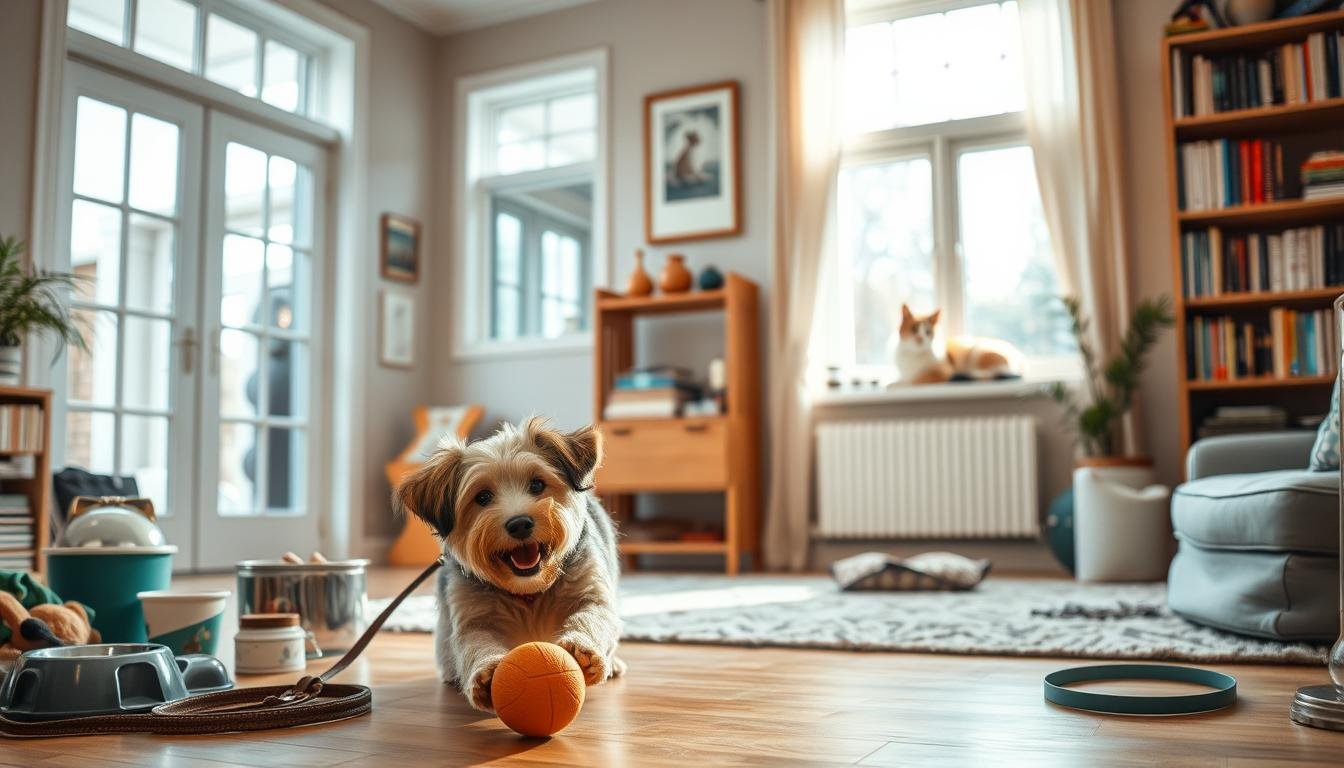
Every pet owner has that special moment when their furry friend looks up with love and trust. Those eyes tell us our pets are more than animals – they’re family. Knowing how to keep them well is key to a better life for both of you.
Keeping pets well isn’t hard. It’s about making a loving space that meets their physical and emotional needs. Simple daily steps can greatly improve your pet’s health and happiness.
This guide will show you five important ways to be the best pet parent. Whether you have a playful puppy, a curious cat, or another beloved pet, these tips will help you give them the care they need.
Key Takeaways
- Consistent care creates healthier, happier pets
- Small daily actions have significant long-term impacts
- Understanding your pet’s unique needs is key
- Regular vet visits prevent health problems
- Mental stimulation is as important as physical care
Understanding the Basics of Pet Wellness
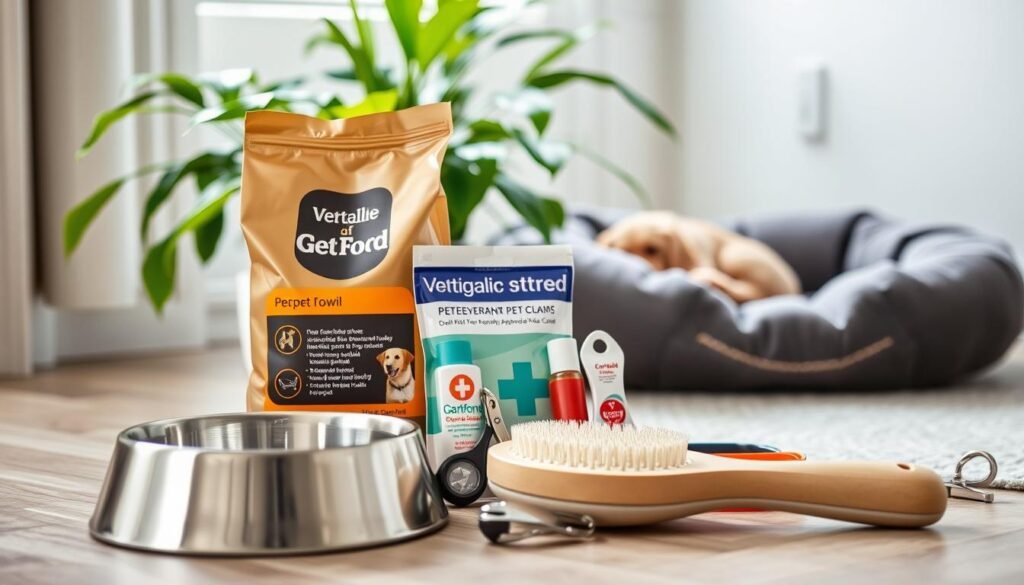
Keeping your pet healthy is more than just feeding and walking them. Preventative care is key to a long, happy life for your furry friend. Knowing the basics of dog health can help you spot problems early and keep your pet well.
Physical Health Indicators
It’s important to watch your pet’s physical health closely. This helps catch health issues early. Here are some signs of good health to look for:
- Bright, clear eyes without discharge
- Shiny, smooth coat free from bald patches
- Clean ears without excessive wax or odor
- Pink gums and clean teeth
- Consistent energy levels
Mental Well-being Signs
Your pet’s mental health is just as vital as their physical health. Good mental health shows in:
- Playful and engaged behavior
- Good appetite
- Social interaction with family members
- Ability to relax and sleep comfortably
- Responsive to commands and training
Common Health Concerns
It’s smart for pet owners to know about common health issues. Regular vet visits can prevent and manage these problems. Early detection is key in dog health essentials. Talk to your vet about health risks for your breed and how to prevent them.
Remember, your pet cannot tell you when something is wrong. Your attentive observation is their best defense against health complications.
Essential Pet Care Tips for Daily Routines

Creating consistent animal wellness routines is key for your pet’s health and happiness. Daily pet care habits can change how you connect with your furry friend. They ensure your pet stays well.
Begin with a daily schedule that meets your pet’s needs. This reduces stress and makes your pet feel secure.
- Maintain a consistent feeding schedule
- Schedule regular exercise times
- Plan daily interaction and play sessions
- Set bathroom break routines
“Small daily efforts can make a significant difference in your pet’s quality of life.” – Veterinary Wellness Association
Your pet care routine should include time for physical and mental activity. Interactive play, short training, and engaging toys keep your pet sharp.
Every pet is different. Watch your pet’s needs and adjust your routines. Consistency, patience, and love are essential for your pet’s health and happiness.
- Monitor energy levels
- Watch for changes in behavior
- Adapt routines as your pet ages
By following these pet care tips, you’ll create a caring environment. It supports your pet’s well-being and strengthens your bond.
The Importance of Proper Pet Nutrition
Nutrition is key to your pet’s health and happiness. Knowing what to feed them can make them live longer and happier. Each pet has different needs that change as they grow.
Experts say picking the right food is vital. It affects your pet’s energy and immune system.
Choosing Quality Pet Food
When picking pet food, remember these important points:
- Age-appropriate nutritional content
- High-quality protein sources
- Balanced mineral and vitamin composition
- Breed-specific nutritional needs
Portion Control Guidelines
Keeping your pet at a healthy weight is essential. Good nutrition means more than just the right food. It’s also about the right amount.
- Measure meals precisely
- Follow feeding guidelines based on weight
- Adjust portions for activity level
- Avoid excessive treats
Dietary Supplements
Not every pet needs supplements. Always consult your veterinarian before adding anything new. Some pets might need extra vitamins or minerals based on their health.
“Food is medicine for your pet. Choose wisely and with care.” – Veterinary Nutrition Expert
Exercise and Physical Activity Requirements
Keeping your pet active is key for their health. Regular exercise helps keep your furry friend well. Each breed needs different amounts of exercise, so knowing what your pet needs is important.
Exercise has many benefits for your dog:
- Maintains healthy body weight
- Supports cardiovascular health
- Reduces behavioral problems
- Enhances mental stimulation
The right exercise depends on your dog’s age, breed, and health. Younger dogs need more energetic activities, while older dogs need gentler ones. Here are some exercise ideas:
- Daily walks (30-60 minutes)
- Interactive play sessions
- Swimming
- Fetch games
- Agility training
Being consistent is important for your pet’s health. Begin with short activities and slowly add more. Always watch your dog’s energy and talk to your vet to make a plan that fits their needs.
Maintaining Proper Hydration for Pets
Water is key for keeping pets healthy. It’s important to make sure your pet drinks enough water. This helps them stay well and avoid health problems.
Water Intake Guidelines
Knowing how much water your pet needs is important. Several things affect their water needs, including:
- Pet’s body weight
- Activity level
- Environmental temperature
- Diet composition
Pets usually need about one ounce of water per pound of body weight daily. Smaller pets might need more water compared to their size.
Signs of Dehydration
Spotting dehydration early is vital. Look out for these signs:
- Dry or sticky gums
- Loss of skin elasticity
- Sunken eyes
- Lethargy or decreased energy
- Reduced urination
Encouraging Regular Drinking
Here are some tips to help your pet drink more water:
- Provide multiple fresh water stations
- Use pet water fountains to encourage drinking
- Add low-sodium broth to water for flavor
- Replace water frequently
- Monitor water intake during hot weather
Proper hydration supports vital bodily functions, including temperature regulation, digestion, and kidney health.
Regular Veterinary Care and Check-ups
Keeping your pet healthy begins with regular vet visits. Getting advice from your vet is key to your pet’s well-being. Preventative care stops illnesses before they start.
Your pet needs check-ups at different ages. Puppies and kittens see the vet more often. Adult and senior pets need yearly visits. These visits help prevent health issues.
- Puppies and kittens: Every 3-4 weeks until 16 weeks old
- Adult pets: Annual check-ups
- Senior pets: Twice-yearly visits
At a vet visit, your doctor will:
- Do physical exams
- Update vaccinations
- Check for parasites
- Look at dental health
- Talk about food and weight
Early detection can save your pet’s life and lower medical costs. Your vet is your ally in keeping your pet healthy and happy.
Grooming and Hygiene Essentials
Pet grooming is more than looks. It’s key to their health and happiness. It’s a way to bond with your pet and spot health problems early.
A good cat grooming guide covers more than just cleaning. It includes important steps for your pet’s health and happiness.
Brushing Basics for Healthy Coats
- Brush your pet 2-3 times weekly to reduce shedding
- Use breed-specific brushes for optimal coat care
- Check for skin irregularities during brushing
Essential Pet Dental Care Practices
Pet dental care is vital to avoid serious health issues. Ignoring your pet’s teeth can cause pain and cost a lot at the vet.
- Brush your pet’s teeth 2-3 times per week
- Use pet-specific toothpaste
- Consider dental chews for additional cleaning
Seasonal Grooming Considerations
Seasons change, and so does grooming needs. Summer might need more brushing, while winter needs coat protection.
“Grooming isn’t just about appearance—it’s a health check disguised as bonding time.” – Veterinary Experts
Regular grooming helps spot health issues early. It keeps your pet comfortable and happy.
Mental Stimulation and Enrichment Activities
Keeping your pet’s mind active is key to their happiness and health. Animals, like humans, need mental challenges to thrive. Without them, pets might get bored and act out.
Mental stimulation is more than just physical play. It keeps your pet’s brain sharp. Activities that challenge their mind can reduce stress and strengthen your bond.
- Puzzle Toys: Invest in interactive toys that challenge your pet’s problem-solving skills
- Training Sessions: Teach new tricks and commands to keep their mind sharp
- Hide-and-Seek Games: Create exciting mental challenges with treats or toys
- Rotation of Toys: Keep things interesting by switching out playthings regularly
Different pets need different mental challenges. Dogs might love puzzle feeders, while cats enjoy laser toys or climbing. It’s important to know what your pet likes.
Mental exercise is just as important as physical activity in maintaining your pet’s overall wellness.
Make time every day for mental play. Begin with short, fun activities and make them more complex over time. Your pet will thank you for the mental workout, leading to a happier life together.
Creating a Safe Home Environment
Your pet’s safety starts at home. To keep them safe, make your home a secure and comfy place. This protects them from dangers and keeps them happy and healthy.
Understanding the risks in your home is the first step. Different pets have different needs. So, it’s important to see your home from their point of view.
Essential Pet-Proofing Strategies
- Remove small objects that could be choking hazards
- Secure electrical cords and outlets
- Store chemicals and medications out of reach
- Install baby gates to restrict access to dangerous areas
- Cover trash cans with secure lids
Designing Comfortable Living Spaces
Creating a safe home is more than just removing dangers. Your pet needs a special place that feels safe and comfy. Here are some tips for designing the perfect space:
- Choose a quiet corner for your pet’s bed
- Provide soft, washable bedding
- Maintain consistent room temperature
- Create a designated play area
- Ensure easy access to water and rest zones
Remember, a well-designed home environment is key to your pet’s physical and emotional health. By following these tips, you’ll make a safe and loving space for your pet to thrive.
Recognizing Signs of Health Issues
Keeping your pet healthy means watching them closely and acting fast. Knowing about dog health essentials helps spot problems early. Pets often hide their pain, so it’s up to owners to notice small changes.
Look out for these important warning signs that might mean your pet needs urgent care:
- Sudden changes in appetite or water consumption
- Unusual lethargy or decreased energy levels
- Significant weight loss or gain
- Persistent vomiting or diarrhea
- Difficulty breathing or coughing
When you need to do emergency pet first aid, stay calm and think clearly. Check your pet’s vital signs, look for injuries, and watch their behavior. Trust your instincts – if it feels off, it probably is.
Early detection is your pet’s best defense against serious health complications.
If you see any lasting or worrying signs, call your vet right away. Many health problems can be managed if caught early. This keeps your pet happy and healthy.
Building Strong Bonds Through Daily Interaction
Creating a strong bond with your pet is more than just taking care of their health. Daily interactions are key to a deep, lasting relationship. They benefit both you and your pet. Pet care tips often focus on physical health, but emotional bonding is just as important.
Your daily interactions can turn simple moments into powerful bonding experiences. Here are some activities to strengthen your connection:
- Dedicated play sessions that match your pet’s energy level
- Quiet cuddle time for relaxation and comfort
- Training exercises that stimulate mental engagement
- Consistent routines that provide security and predictability
Different pets communicate in their own ways. Understanding your pet’s individual personality is key to meaningful interactions. For dogs, it might be interactive games. Cats might enjoy gentle brushing or interactive toys.
“The language of love is universal, whether spoken by humans or animals.” – Animal Behaviorist
Regular interaction is more than just fun. It reduces stress, builds trust, and deepens emotional connection. Your pet care tips should always include time for genuine companionship. This supports both mental and physical wellness.
Quality is more important than quantity. Even 15-20 minutes of focused, intentional interaction can greatly improve your bond.
Final Thoughts on Pet Happiness
Exceptional pet care is more than just the basics. By following detailed pet care tips, you help your pet thrive. Each part of animal wellness routines adds to a complete approach to pet health and happiness.
Consistent care in nutrition, exercise, mental stimulation, and vet visits is key. It shows you’re a responsible pet owner. Your efforts make care meaningful, strengthening your bond with your pet.
Every small action helps your pet’s overall well-being. Learning and adapting pet care tips is rewarding. Stay informed and enjoy the amazing companionship from dedicated care.
Your pet counts on you for love, protection, and support. By following these strategies, you’re not just caring for an animal. You’re building a special relationship that brings joy and love for years.