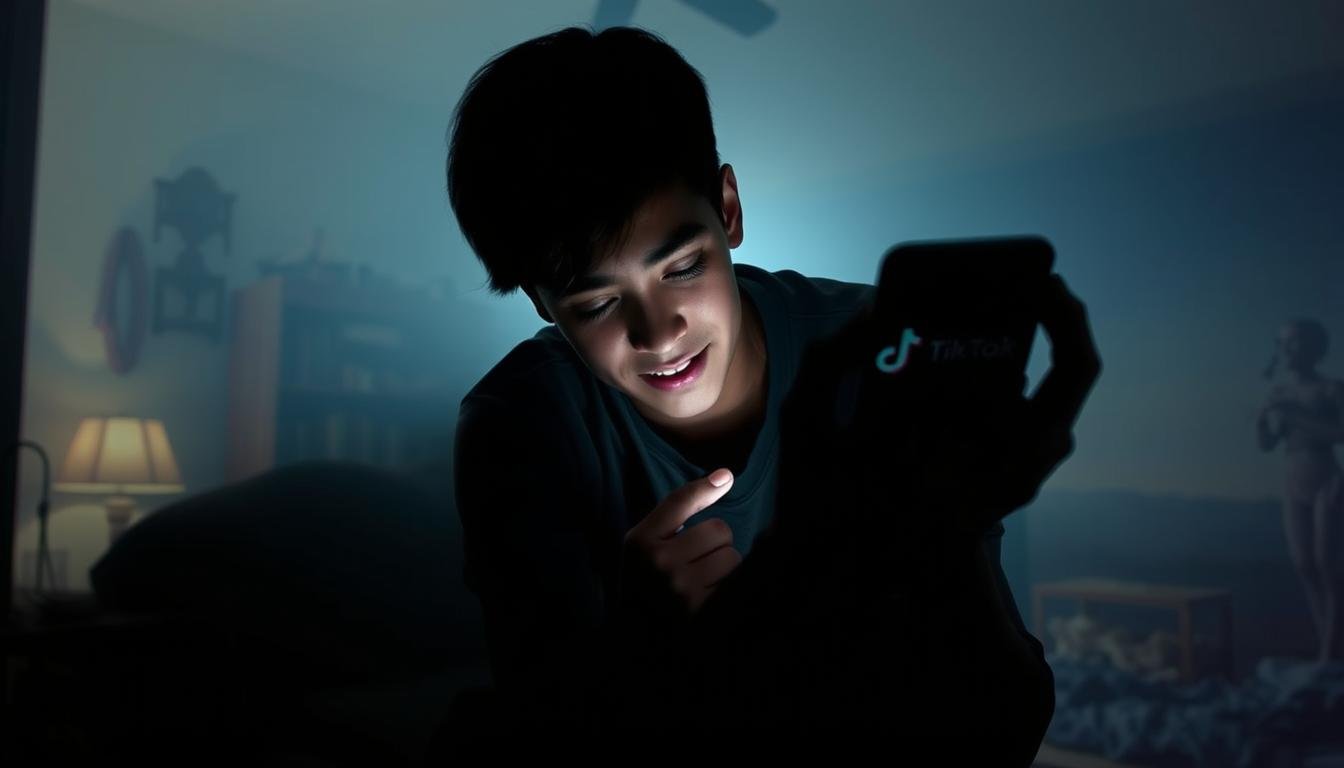
TikTok has become a global phenomenon, capturing millions of users’ attention daily. Your smartphone screen has turned into a portal of endless entertainment. This has led to what experts call social media dependency.
Recent data shows TikTok’s huge popularity, mainly among the young. In Spain, users spend about one and a half hours daily watching short videos. This shows TikTok’s strong hold on user engagement. This addiction is not just a trend—it changes how we use digital content.
To understand why you can’t stop scrolling, we need to look at TikTok’s design and psychology. TikTok uses algorithms and fast content to keep users hooked to their screens.
Key Takeaways
- TikTok represents a new era of digital entertainment consumption
- Social media dependency is increasingly recognized as a significant behavioral pattern
- Short-form video content triggers unique psychological responses
- User engagement strategies go beyond traditional social media approaches
- Understanding addiction mechanisms can help develop healthier digital habits
Understanding the TikTok Phenomenon
TikTok has changed how we enjoy and make digital content. Its short videos have made it a global hit, unlike regular social media. Knowing why TikTok is so popular is key as we fight digital addiction.
The Rise of Short-Form Video Content
Short videos are now a big deal, thanks to our short attention spans. TikTok has tapped into this, giving us quick, fun videos. It’s perfect for our fast lives.
- Average video length: 15-60 seconds
- Instant gratification through rapid content consumption
- Easy-to-create user-generated content
TikTok’s Global Impact on Digital Entertainment
TikTok has changed digital entertainment, letting users make their own content. But, it’s also led to a problem where people get stuck scrolling forever.
“TikTok isn’t just an app; it’s a cultural phenomenon that has transformed how we consume media.” – Digital Trends Analyst
Platform Demographics and Usage Statistics
TikTok’s users show its big cultural impact. It’s most popular with the young, who might be at risk for digital addiction.
| Age Group | Percentage of Users | Average Daily Usage |
|---|---|---|
| 16-24 years | 41% | 52 minutes |
| 25-34 years | 31% | 45 minutes |
| 35-44 years | 16% | 32 minutes |
Spain has the most teen TikTok users, showing its appeal to the young. The endless scroll can make time feel like it’s passing slowly, making it hard for those trying to break free from digital addiction.
The Psychology Behind TikTok’s Addictive Design
TikTok has mastered the art of grabbing your attention. It uses smart design to tap into your deep desires for connection and fun. Your addiction to your phone is not by chance; it’s a clever trick.
The app’s design uses several key psychological tricks:
- Instant gratification through short, engaging video content
- Personalized content that feels uniquely tailored to your interests
- Continuous dopamine hits through endless scrolling
Managing your screen time is hard because TikTok learns what you like fast. Every swipe shows you something even more interesting. It’s like a spell that keeps you watching.
Your brain is wired to seek novel and rewarding experiences, and TikTok exploits this fundamental human trait.
The app’s design creates a strong feedback loop. Personalization meets psychological manipulation, making it hard to stop using it. You get caught in a cycle of watching video after video, always looking for the next exciting thing.
Knowing how TikTok works is the first step to taking back control. By understanding its tricks, you can use your phone more wisely.
The Dopamine-Driven Feedback Loop
Your brain always looks for pleasure, and TikTok knows how to tap into that. It uses a powerful feedback loop to keep you scrolling for hours. This loop triggers complex reward pathways in your mind.
When you use TikTok, your brain gets a special response. The app’s algorithm gives you exactly what you want. This creates a cycle of anticipation and reward that’s hard to resist.
How TikTok Triggers Reward Pathways
TikTok’s design targets your brain’s pleasure centers in several ways:
- Rapid content consumption
- Personalized video recommendations
- Instant gratification through short-form videos
- Unpredictable content variety
The Role of Variable Rewards
Variable rewards are TikTok’s secret to addiction. Like a slot machine, it offers unpredictable content. This makes it hard to stop using the app.
| Reward Type | Psychological Impact |
|---|---|
| Unexpected Viral Content | Heightened Dopamine Release |
| Personalized Recommendations | Increased User Engagement |
| Social Validation | Emotional Reinforcement |
Understanding Intermittent Reinforcement
Intermittent reinforcement makes it hard to stop using tech. Your brain expects occasional rewards. This makes it tough to break the scrolling cycle.
The more uncertain the reward, the more compelling the experience becomes.
Knowing these triggers is the first step to controlling your digital use. It helps manage addiction patterns.
TikTok Addiction: Signs and Symptoms
Recognizing compulsive video watching patterns can help you understand if you’re struggling with TikTok addiction. Digital dependency goes beyond simple entertainment. It can significantly impact your daily life and mental well-being.
The warning signs of TikTok addiction are more subtle than you might expect. Your brain becomes wired to crave constant stimulation. This creates a cycle of endless scrolling that disrupts normal cognitive functioning.
- Spending excessive hours watching short-form videos
- Experiencing anxiety when separated from mobile devices
- Neglecting personal responsibilities
- Difficulty concentrating on work or study tasks
- Compulsive urge to check TikTok repeatedly
Psychological researchers have identified specific behavioral markers that indicate tiktok addiction. These symptoms can manifest differently for each individual. But they typically share common characteristics.
“The digital world has created new forms of psychological dependence that challenge traditional understanding of addiction.” – Dr. Sarah Thompson, Digital Psychology Researcher
Your digital habits might be crossing into addiction territory if you find yourself:
| Behavior | Potential Risk Level |
|---|---|
| Scrolling for 3+ hours daily | High Risk |
| Feeling restless without TikTok | Moderate Risk |
| Skipping sleep to watch videos | Critical Risk |
Understanding these signs is the first step toward developing healthier digital consumption habits. It helps you reclaim control over your screen time.
The Impact of Endless Scrolling on Mental Health
Digital platforms like TikTok have changed how we see content. But their effect on our minds is deeper than we think. Being too hooked on social media can harm our mental health in big ways.
The endless stream of perfect content can mess with our minds. It makes us crave instant happiness, which can hurt our mental health a lot.
Depression and Anxiety Correlations
Studies show a clear link between too much social media and mental health issues. People trying to break free from digital addiction often face:
- Feeling more alone
- More anxiety
- Deeper sadness
- Less ability to handle emotions
Sleep Disruption Patterns
Endless scrolling messes with our sleep. The blue light from screens and exciting content can:
- Make it harder to fall asleep
- Shorten REM sleep time
- Keep us awake at night
- Throw off our body’s natural rhythm
Social Comparison and Self-Esteem Issues
TikTok’s algorithm makes us compare ourselves more, creating a bad environment for our self-image. Seeing perfect, edited lives all the time can hurt our self-worth. Getting free from digital addiction is key to keeping our minds healthy.
The most dangerous scroll is the one that makes you forget your own worth.
The Algorithm’s Role in User Engagement
When you open TikTok, you enter a world designed just for you. The platform’s algorithm is a smart system that makes scrolling addictive. It turns your phone use into a fun, personal journey.
The algorithm studies your actions closely. It looks at:
- Videos you watch completely
- Content you like or share
- Hashtags and creators you engage with
- Time spent on specific video types
Every action helps the algorithm learn more about you. Your online activities guide it to show you content you’ll love. The more you scroll, the better it gets at finding what you’ll enjoy.
“The algorithm doesn’t just recommend content—it creates an immersive experience that feels almost magical” – Tech Insights Research
TikTok’s algorithm makes you feel like you’re in a flow state. You forget about time and get lost in endless videos. This design makes simple browsing feel like a spell that’s hard to break.
Knowing how the algorithm works is key to controlling your screen time. It helps you avoid getting too caught up in your phone.
💡 Related: Generative AI: Revolutionizing Marketing and Money
Digital Well-being and Screen Time Management
In today’s world, it’s key to manage our digital use for our mental health and productivity. It’s not about cutting out screens completely. It’s about finding a healthy balance with technology.
Setting Healthy Digital Boundaries
Setting limits on your digital devices can change how you use social media, like TikTok. Your journey to detox from dopamine starts with setting limits and using technology wisely.
- Create device-free zones in your home
- Set specific time blocks for social media
- Use built-in app tracking tools
- Turn off non-essential notifications
Digital Detox Strategies
A dopamine detox isn’t about cutting off from all digital stuff. It’s about changing how your brain reacts to screens and stopping the urge to scroll endlessly.
| Strategy | Duration | Impact |
|---|---|---|
| 24-Hour Digital Pause | 1 Day | Reset mental clarity |
| Weekly Social Media Cleanse | 1-2 Days | Reduce dependency |
| Gradual Reduction | Ongoing | Sustainable change |
Building Alternative Habits
Swap scrolling for activities that are good for your mind and body. Intentional living means picking activities that truly satisfy you, not just digital ones.
- Read physical books
- Practice meditation
- Exercise regularly
- Develop a creative hobby
Screen time management is a skill you can learn. With effort, you can live a healthier, more balanced digital life.
The Neuroscience of Social Media Addiction
Your brain has a deep connection with social media, like TikTok. The complex neural paths show how tech and brain chemistry interact.
Dopamine is key in social media addiction. It sets up a reward system that makes you keep scrolling. Getting notifications or watching short videos releases dopamine, making you feel good and want more.
- Dopamine triggers feelings of pleasure and satisfaction
- Social media platforms exploit neural reward pathways
- Repeated exposure can alter brain chemistry
To beat digital addiction, you need to know how your brain works. When you try to cut down on screen time, you might feel withdrawal. This shows how much your brain relies on digital stuff.
| Neural Mechanism | Impact on Behavior |
|---|---|
| Dopamine Release | Creates Pleasure Sensation |
| Reward Pathway Activation | Encourages Repeat Behavior |
| Neuroplasticity | Rewires Brain Circuits |
Knowing these facts helps you make better digital choices. It lets you control your tech use better.
How TikTok Affects Attention Span and Productivity
Digital platforms like TikTok have changed how we watch content. This has big challenges for our attention span and productivity. Watching videos compulsively is common and affects our mental skills in many areas.
Learning to manage screen time is key in today’s world. TikTok’s fast-paced videos pose unique brain challenges. These can make it hard to focus and understand information well.
Impact on Academic Performance
Students today face big distractions from digital sources. Studies show that too much TikTok can harm:
- Focus during study time
- Keeping complex info in mind
- Finishing long tasks
Work-Life Balance Disruption
People who can’t stop watching videos struggle with work. TikTok’s short clips can split your attention. This leads to big problems in your work flow.
| Productivity Metric | Impact of TikTok |
|---|---|
| Average Focused Work Time | Reduced by 35% |
| Task Completion Rate | Decreased by 27% |
| Mental Fatigue Levels | Increased by 42% |
Cognitive Load and Information Processing
TikTok’s design overloads your brain. Switching content constantly strains your mind. It makes deep thinking and solving problems harder.
It’s important to know how TikTok affects us. We need good strategies to manage screen time. This helps keep our mental skills sharp and productive.
Breaking Free from Compulsive Scrolling
Getting out of TikTok’s hold needs solid plans and a focus on digital health. Your path to recovery begins with knowing your scrolling habits. Then, take steps to take back control.
Here are effective ways to stop compulsive TikTok scrolling:
- Use your phone’s built-in tools to set app time limits
- Make areas in your home and work phone-free
- Swap scrolling for activities that matter
- Be mindful of how you use technology
Recovery from digital addiction isn’t about cutting out tech entirely. It’s about setting good limits. Think about these other things you can do instead:
| Replacement Activity | Benefits |
|---|---|
| Reading physical books | Improves focus, cuts down screen time |
| Physical exercise | Boosts mood, releases dopamine naturally |
| Creative hobbies | Increases skills, fights TikTok addiction |
Remember, beating TikTok addiction takes time and kindness to yourself. With these steps, you’ll slowly get your time and mind back.
Understanding Flow State and Time Distortion
When you start using TikTok, you might feel a unique mental state called flow state. This state can turn your phone use into a hypnotic cycle of scrolling.
Flow state happens when you’re fully into an activity, forgetting time and where you are. TikTok’s fast videos can put your brain in a trance. Before you know it, minutes feel like hours.
“The most powerful moments of human existence are when we lose ourselves completely in the present moment.” – Mihaly Csikszentmihalyi
Some key signs of flow state include:
- Deep focus on short videos
- Easy and automatic engagement
- Time seems to warp
- You forget about yourself
Your brain gets a dopamine boost from scrolling, making it feel good. The algorithm keeps showing you content that keeps you hooked, making it hard to stop.
| Flow State Trigger | TikTok Mechanism |
|---|---|
| Immediate Feedback | Likes, Comments, Shares |
| Challenge Level | Perfectly Curated Content |
| Personal Control | Infinite Scrolling Interface |
Knowing about this can help you control your screen time better.
Taking Control of Your Digital Life
Digital addiction recovery begins with understanding your relationship with apps like TikTok. These apps use psychological tricks to keep you hooked. Knowing these tricks is the first step to taking back control of your screen time.
Managing screen time isn’t about cutting out tech entirely. It’s about finding a balance. You can set daily app limits, make tech-free zones at home, and take breaks from scrolling. Being aware of your digital habits helps keep your mind healthy.
Changing your tech use takes effort and self-awareness. Using the tips from this article can turn your digital life into a source of fun and growth. Remember, you’re in charge of your tech use, not the other way around.
Getting well in the digital world means making choices that help you achieve your goals. Stay informed, set limits, and use tech mindfully. This way, you can enjoy TikTok and stay focused and productive.