When wearable gadgets first hit the market. Devices counted your steps, nudged you to stand up every hour, and maybe tracked your runs if you were feeling sporty. Back then, the biggest brag was hitting that 10,000-step goal.
Fast forward to today, and the story looks completely different. Wearables beyond fitness are no longer just about burning calories — they’re reshaping how we monitor health, interact with technology, and imagine the future of daily life.
From Steps to Signals
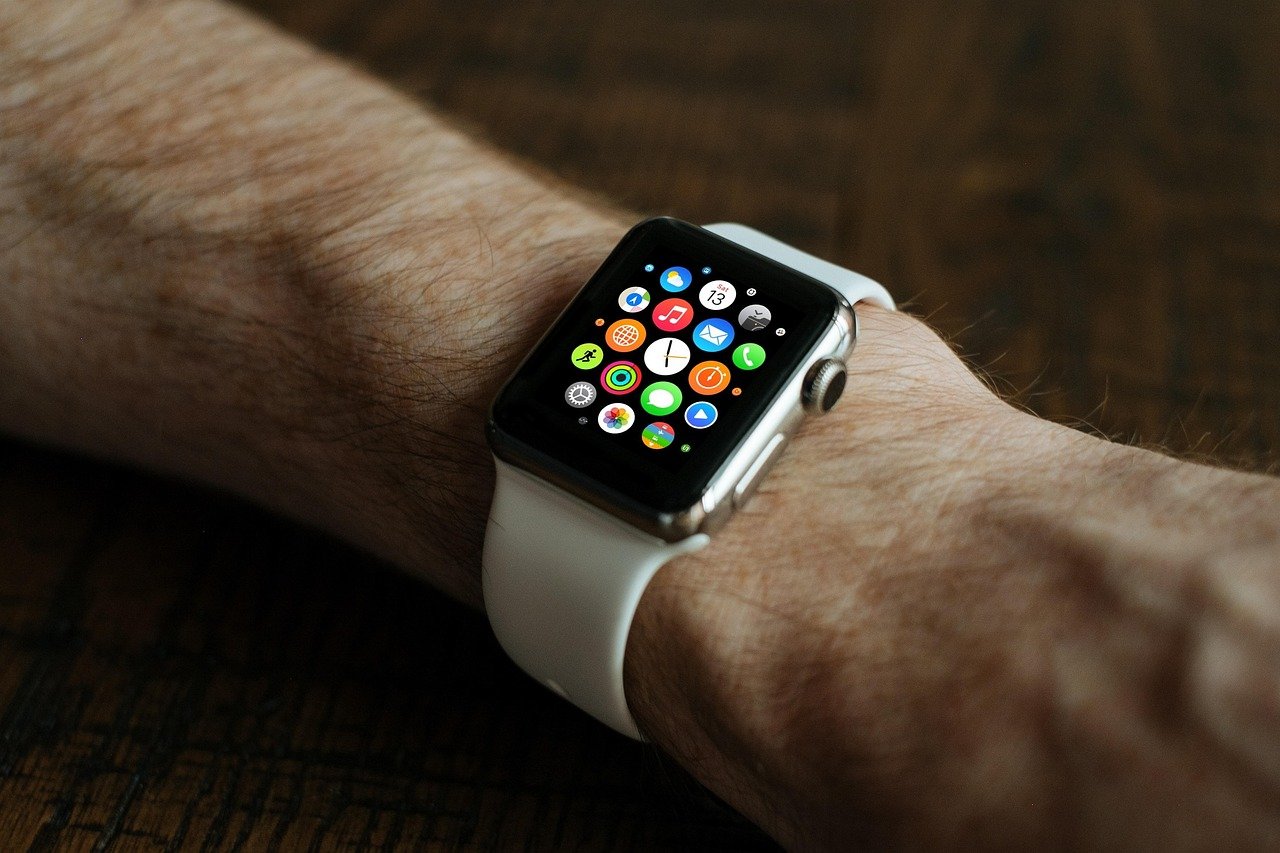
The first generation of smartwatches and trackers were, let’s be honest, glorified pedometers. Sure, they added heart rate tracking and sleep monitoring, but the real leap came when they started picking up on deeper signals.
Now? Wearables can spot irregular heart rhythms, measure blood oxygen, track stress through skin temperature, and map out sleep cycles in detail. Some even send alerts when your vitals show worrying patterns. That’s not just fitness — that’s wearable health tech on your wrist.
The Health Revolution on Your Wrist (and Finger)
Let’s zoom in on what’s happening right now.
- Smart rings and wearables quietly track your vitals as you sleep.
- Smartwatches can ping both you and your doctor if your heart rhythm is off.
- Smart earbuds are beginning to measure temperature and breathing while you listen to music.
This isn’t just data collection. It’s real-time feedback that helps people take action sooner. For anyone living with chronic conditions, a next generation wearable isn’t a gadget — it’s a lifeline.
Beyond the Body: What’s Next
Here’s where things get exciting. Researchers are working on future wearable technology that feels straight out of sci-fi:
- Brainwave headbands that track focus, stress, and fatigue.
- Non-invasive glucose monitoring, no more painful finger pricks for diabetics.
- Gesture-controlled wearables, where a flick of your wrist can dim the lights or pause your playlist.
Imagine your wearable suggesting a breathing exercise before you even realize you’re stressed, or reminding you to drink water when hydration dips. That’s not far-off dreaming — it’s happening now.
Why This Matters
Wearable health tech isn’t just about chasing fitness goals anymore. They’re becoming bridges between our bodies and digital worlds. That means:
- Proactive healthcare: catching issues before they become emergencies.
- Empowerment: giving people control over their own health data.
- Convenience: blending tech seamlessly into everyday life.
And let’s not forget the bigger picture. As healthcare systems feel the strain, next generation wearables could ease pressure by handling early detection and remote monitoring — saving time, money, and lives.
The Takeaway
We started with step counters, but today’s wearables beyond fitness are becoming some of the most personal and powerful pieces of technology we own. From smart rings to brainwave sensors, they’re expanding into full-blown health guardians and lifestyle assistants.
The question isn’t whether wearables will play a bigger role in our lives — it’s how soon you’ll find one that fits perfectly into yours.